


TEC-SAILING Food Industry Full-Process Automation System Plan
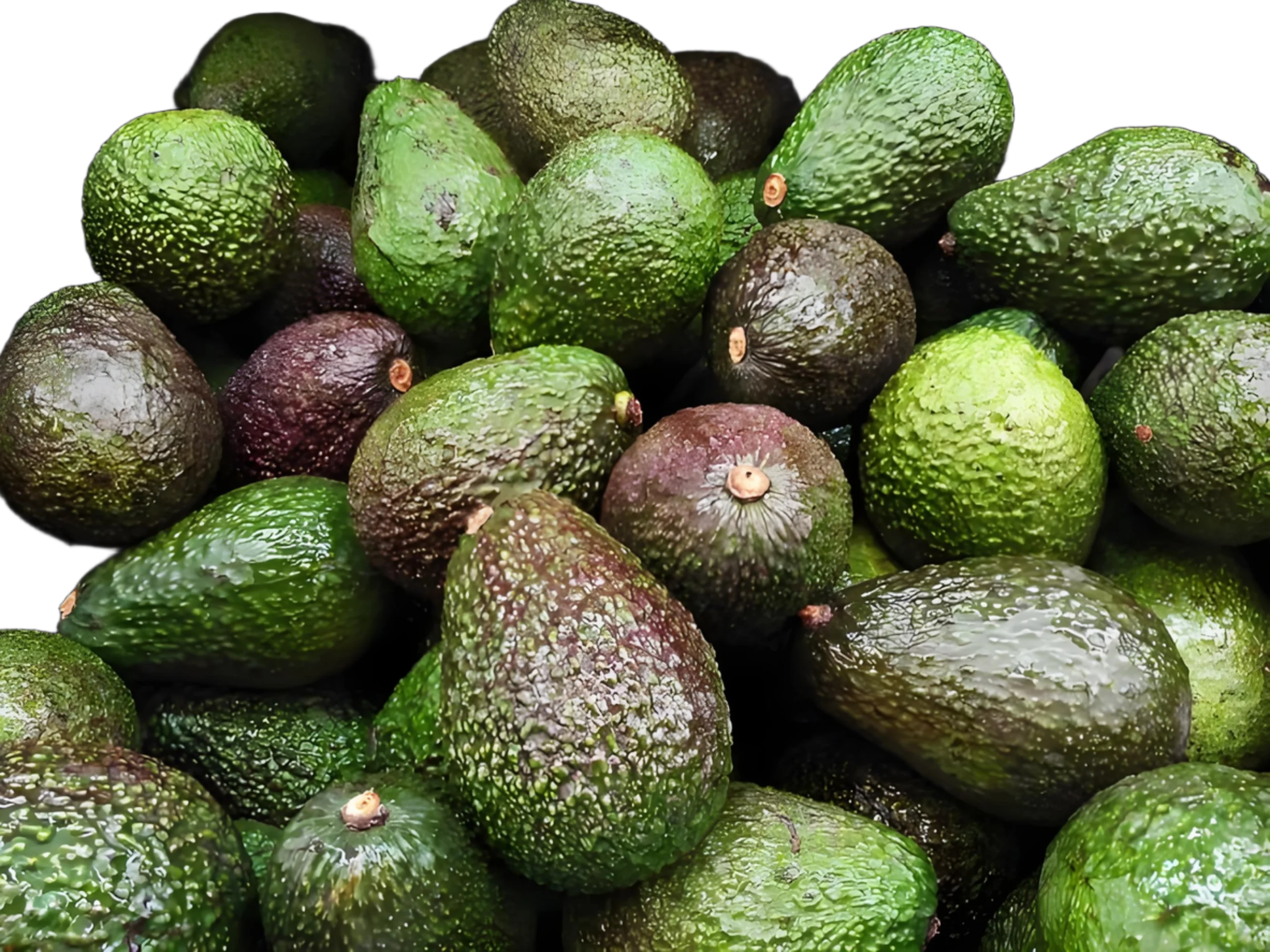
Frontend Raw Material Preparation |
Midstream Processing Docking |
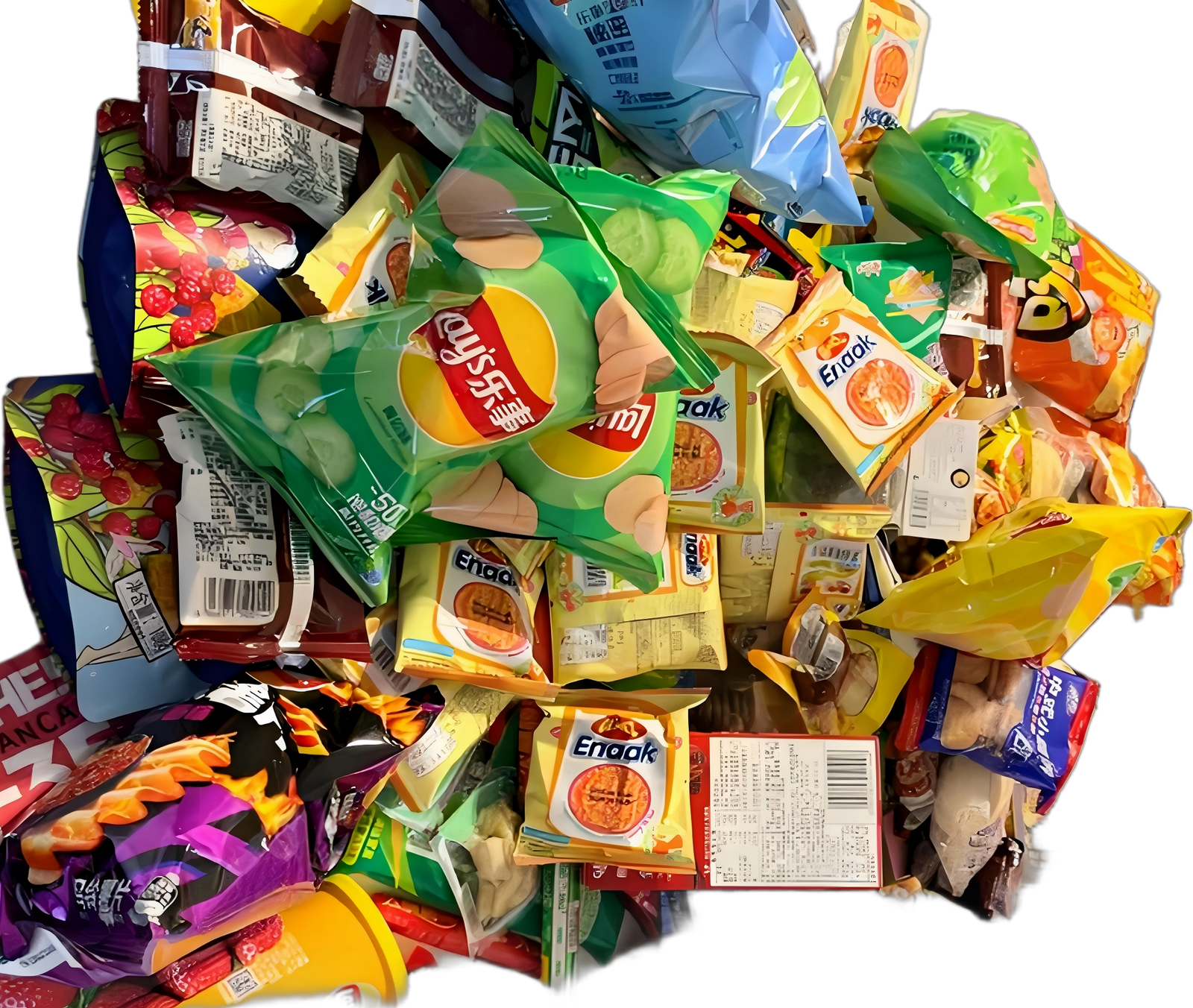
Backend Packaging, Secondary Packaging,
Palletizing & Truck Loading Automation
1. Overall Planning Core Positioning & Architecture Overview
1.1 Core Planning Objectives
- Aligned with TEC-SAILING’s existing food product portfolio, this plan follows the core principles of Precise Frontend Raw Material Management, Coordinated Midstream Processing, Flexible Backend Packaging, and Unmanned Logistics Handling. It builds a fully automated production line from raw material warehousing to finished product truck loading, reduces manual intervention, lowers food contamination risks, improves production efficiency and product consistency, and adapts to multi-category, multi-specification food production. The system also supports scalable equipment, traceable processes, and adjustable production capacity.
1.2 Full-Process Hierarchical Architecture (Three-Section Coordination: Front-Mid-Backend)
- Frontend Module: Automated Raw Material Preparation (Core: Full automation covering raw material receiving, warehousing, preprocessing, metering & batching, and conveying to production)
- Midstream Module: Processing Production (Seamless connection with frontend and backend systems; this plan focuses on supporting material discharge and feeding interfaces for smooth process coordination)
- Backend Module: Packaging & Logistics Automation (Closed-loop process: Pre-packaging Integration → Automatic Cartoning System → Secondary Packaging → Palletizing → Truck Loading)
- Top Layer: Central Intelligent Control System (MES + SCADA + PLC linkage for unified equipment scheduling, data monitoring, fault alarm, and production traceability)
2. Top Central Intelligent Control System (Core of Full-Line Coordination)
2.1 System Composition
- MES (Manufacturing Execution System): Production scheduling, formula management, batch traceability, capacity statistics, report generation
- SCADA (Supervisory Control And Data Acquisition): Real-time equipment status monitoring, fault alarm, visual parameter display, remote operation
- PLC (Programmable Logic Controller) On-Site Control System: Independent module control, process coordination and rhythm matching
2.2 Core Control Functions
- One-click start/stop for full line, automatic shutdown and alarm for abnormalities, fault location identification
- Real-time production data storage, full traceability from raw materials to truck loading, compliant with food regulatory requirements
- Automatic analysis of capacity, energy consumption and qualified rate to optimize production processes
- Support for quick formula switching, flexible adaptation to product portfolio upgrades
3. Adaptability & Implementation Recommendations
3.1 Adaptation to Existing Product Portfolio
This plan is fully tailored to the multi-category, multi-specification characteristics of the food industry. The frontend adapts to solid, liquid and cold-chain raw materials; the backend adapts to all food packaging types. All equipment adopts a modular design, allowing unit addition or reduction based on existing capacity and product types without full-line reconstruction.
3.2 Phased Implementation Plan
- Phase 1: Complete frontend core batching and preprocessing automation to improve raw material quality and efficiency
- Phase 2: Integrate backend pre-packaging and automatic cartoning systems to realize unmanned packaging
- Phase 3: Install automatic palletizing and truck loading equipment to close the full-process loop
- Phase 4: Launch central control system to realize full-line intelligent coordination and digital management
3.3 Food Compliance Assurance
- All automation equipment is made of food-grade 304/316 stainless steel with no sanitary dead corners, easy to clean and disinfect; fully enclosed production eliminates manual contact contamination; full-process data traceability meets SC food production licenses, HACCP, GMP and other strict industry regulatory standards.
4. Full Project Summary & Conclusion
4.1 Planning Completeness Summary
- This full-process automation plan for TEC-SAILING Food Industry strictly follows the three-stage logic of Frontend Raw Material Preparation – Midstream Processing Docking – Backend Packaging & Logistics, covering every link from raw material warehousing to finished product truck loading with no process interruptions or redundant manual operations. It fully matches the core demands of multi-category, flexible food production, supported by a top intelligent control system to form a closed-loop management of equipment, process and data. Compared with traditional manual and semi-automated production, this plan fixes three major shortcomings: precise raw material control, unmanned packaging and automated logistics, while balancing adaptability to existing products and future scalability, addressing current pain points and reserving space for capacity and category upgrades.
4.2 Core Advantages & Value Highlights
- Sharply Improved Production Efficiency: Frontend raw material automation boosts efficiency by over 60%; backend cartoning reaches 800-1200 cartons per hour; unmanned palletizing and loading cut truck waiting time by 50%, overall line capacity increased by 40%-60%.
- Dual Guarantee of Quality & Compliance: Reduced manual contact lowers cross-contamination risks; metering error controlled within 1%; dual visual and weighing inspection ensures 100% defective product rejection; full data traceability meets all food regulatory requirements.
- Significant Cost Optimization: Reduced manual labor for feeding, sorting, cartoning, palletizing and loading; raw material loss limited to within 5%; lower material waste and equipment failure costs from human error.
- Strong Flexibility: Modular equipment design for flexible combination and adjustment; quick formula switching for new products and packaging without large-scale reconstruction.
- Digital & Intelligent Management: Central control system realizes remote monitoring, fault alerts and data statistics, replacing manual records and enabling visual, manageable production.
4.3 Risk Prevention & Operational Notes
- Food Hygiene Risk Control: Regular automatic cleaning and disinfection, daily hygiene inspections to avoid bacterial growth from raw material residue; strict temperature and humidity control for cold-chain raw materials.
- Equipment Operation Risk Control: Dual manual/auto mode for emergency production; regular equipment maintenance and spare parts stock to avoid downtime; optimized manipulator parameters for fragile and irregular products.
- Process Coordination Risk Control: Unified equipment rhythm debugging to avoid blockage or idling; real-time data synchronization via central control for automatic rhythm adjustment.
- Compliance & Traceability Risk Control: Fixed batch scanning and coding procedures; regular data backup for regulatory traceability checks.
4.4 Final Implementation Conclusion
- This automation plan is fully aligned with TEC-SAILING’s current production system and long-term development needs, realizing full-process automation, intelligence and standardization from raw materials to finished product loading. It solves core pain points of traditional food production: high labor dependence, low efficiency, unstable quality, difficult hygiene control and poor traceability. With high adaptability, implementability and scalability, the plan is complete, practical and free of missing key links. It can be implemented step by step as scheduled, and will become a complete actionable automation upgrade plan once equipment images are added to corresponding modules.